Facing
Rembrandt
Thirty self-portraits. One face corrected by the others.
This project aligns, compares, and corrects Rembrandt’s painted self-portraits until a consensus image appears — as a measured reconstruction of recurrence, deviation, and age.
Start the protocol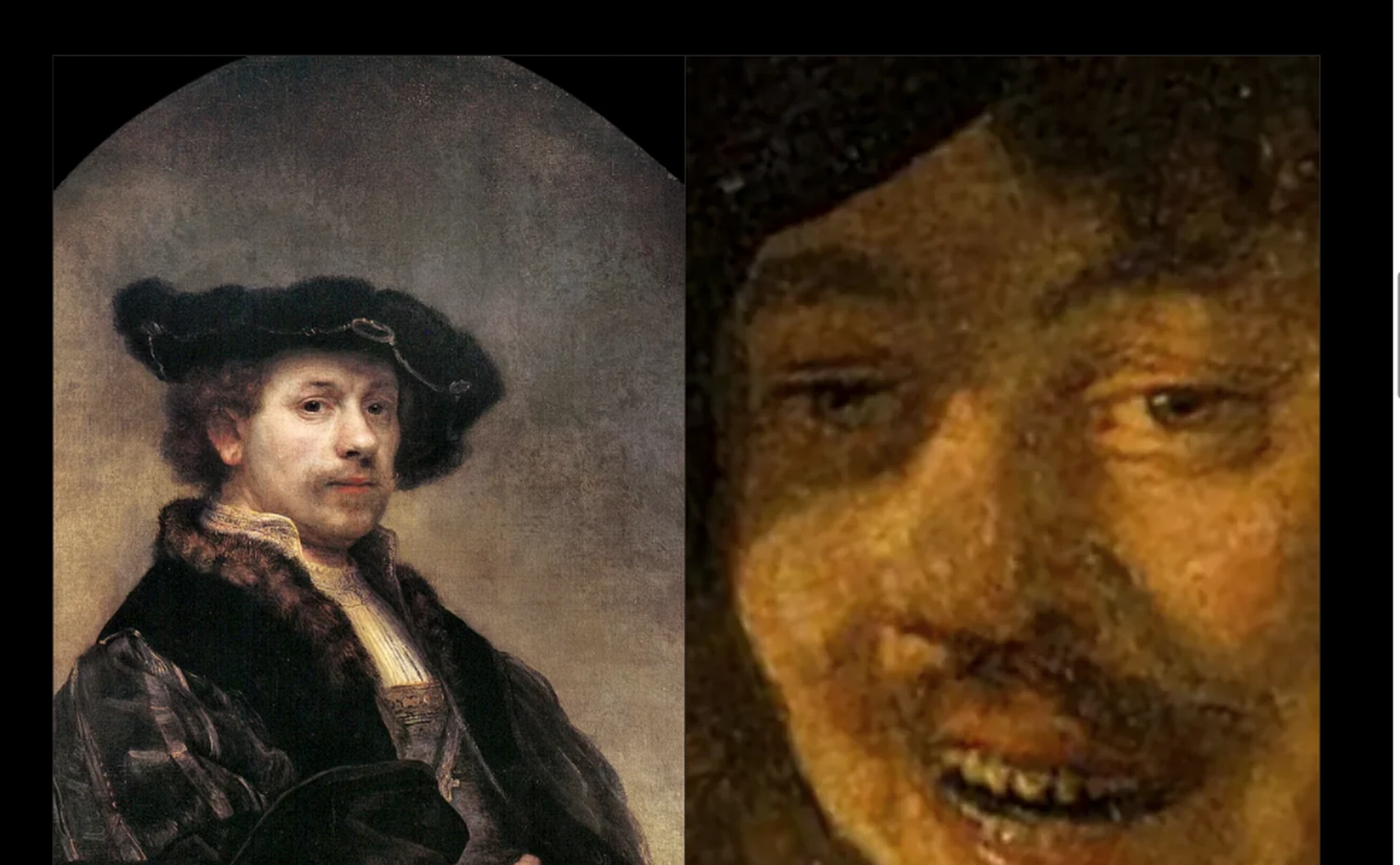
The witnesses come first.
Only self-portraits enter the system. They remain visible as paintings: different ages, roles, materials, damages, light and pose.
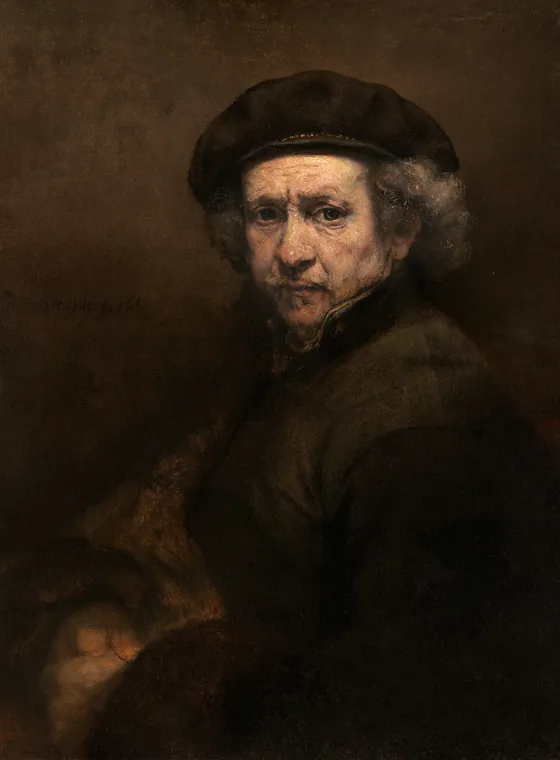
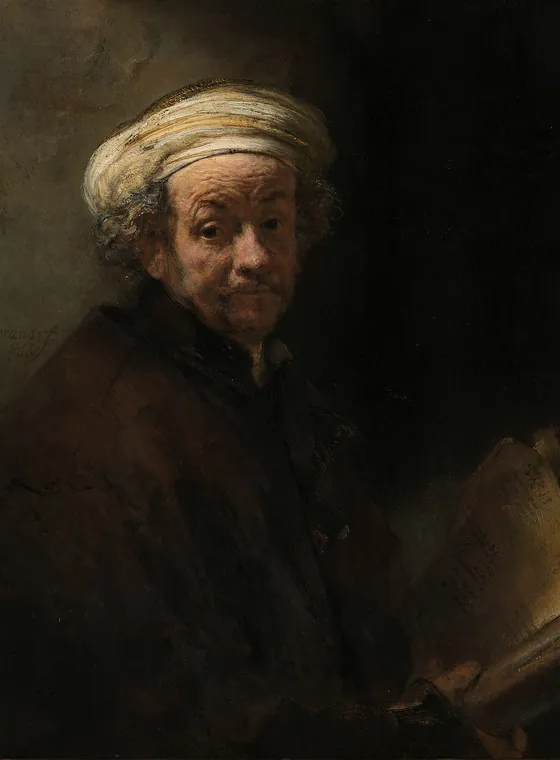
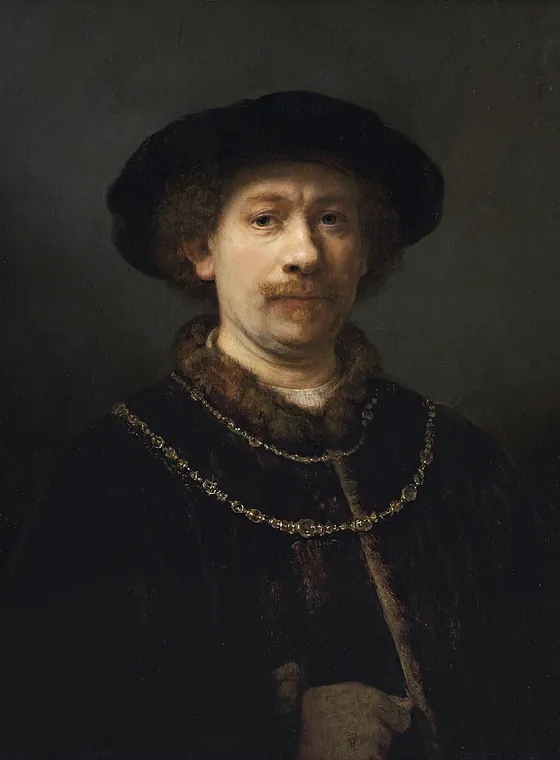
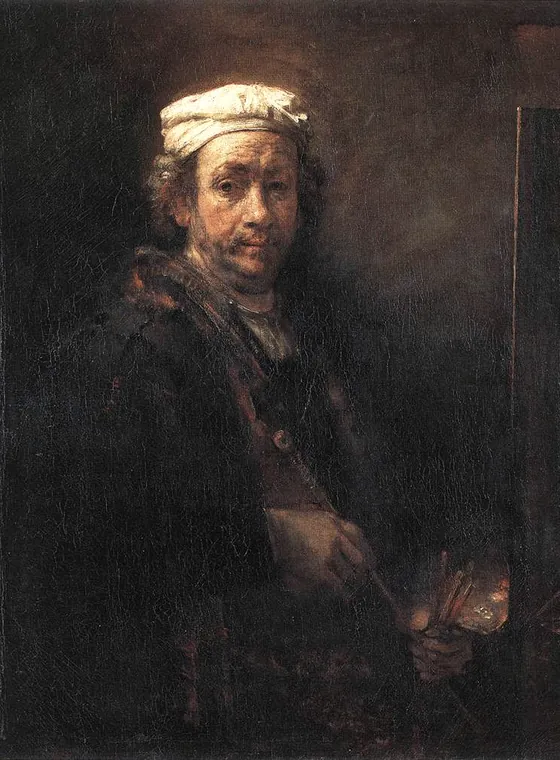
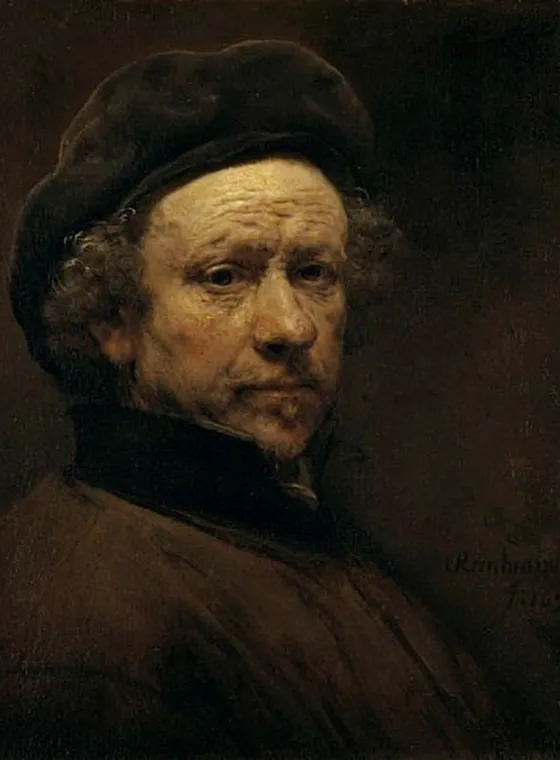
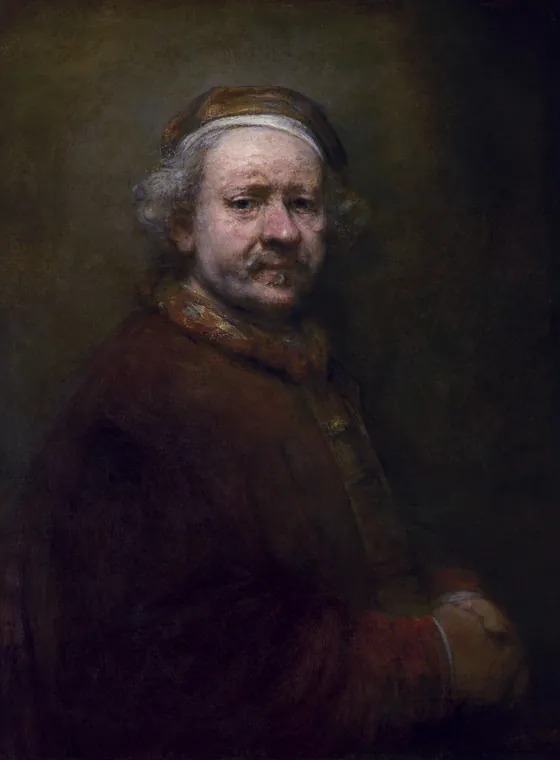
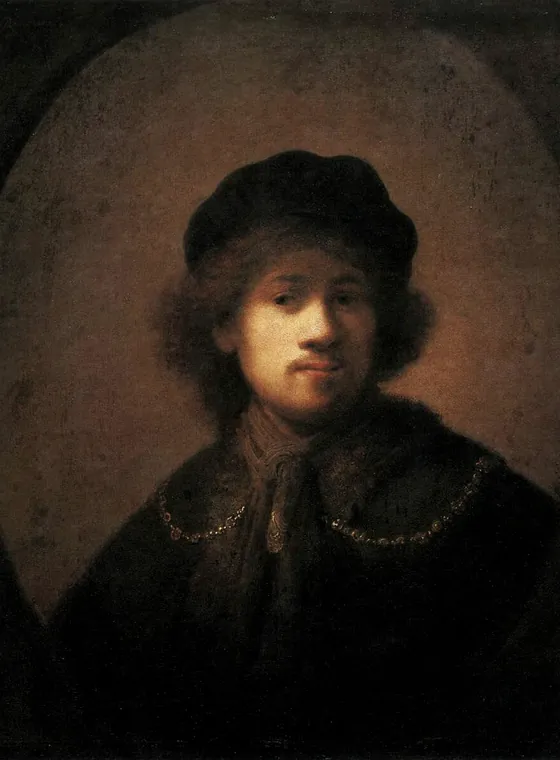
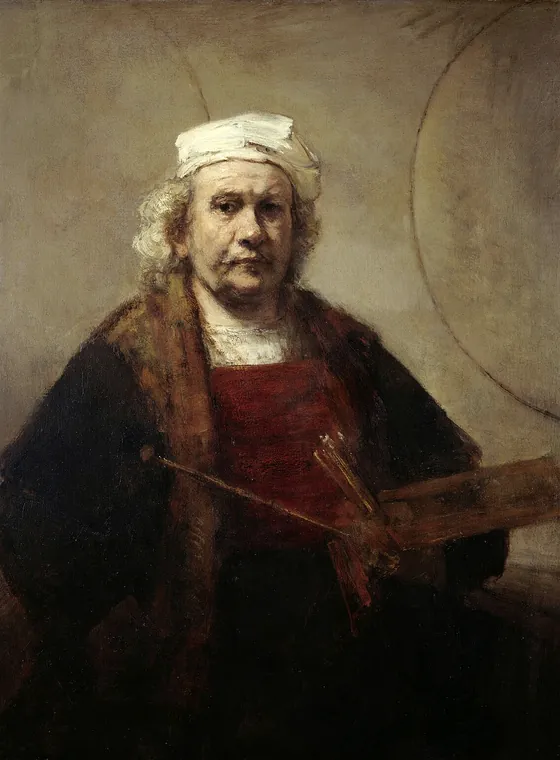
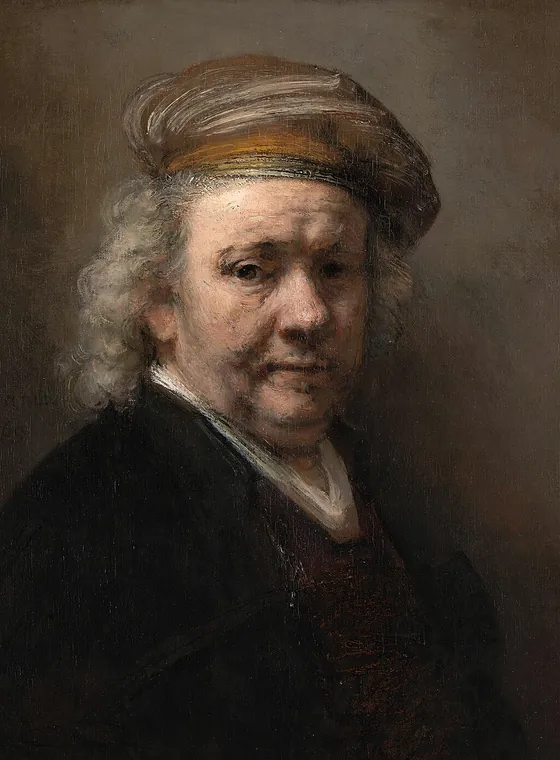
The archive is made comparable.
Format, crop, scale and face-plane are normalized before any claim is made. The frame comes before the face.
Crop and scale are treated as part of the method. The face is not enlarged for atmosphere; it is registered for comparison.
Macro images stay separate from alignment outputs.
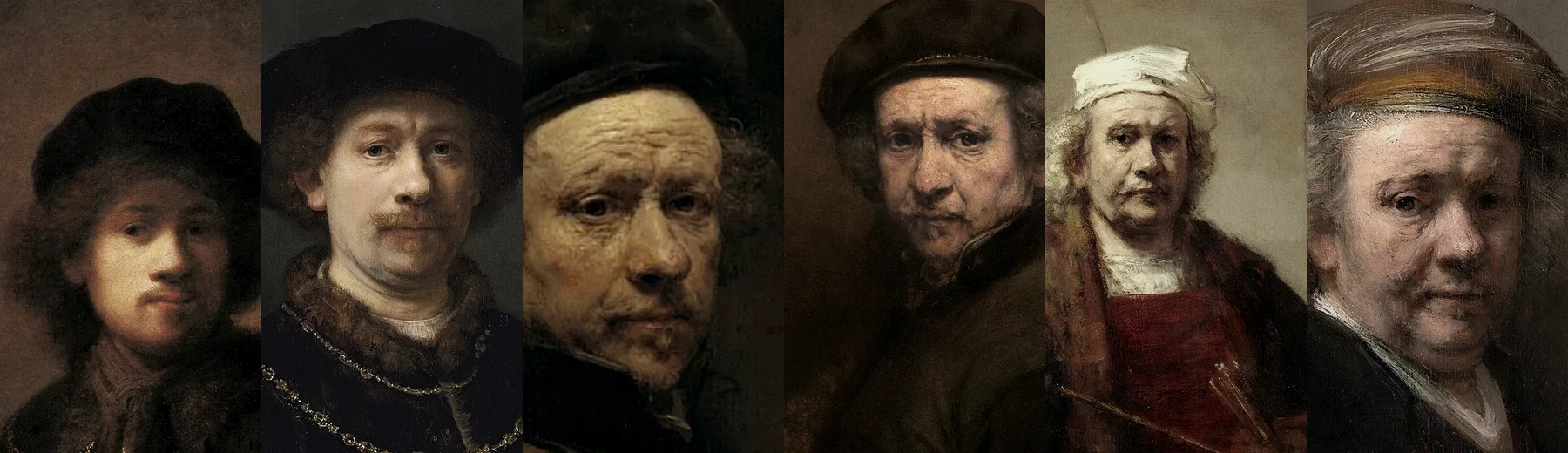
Each portrait enters the same facial frame.
The aligned strip turns painted difference into comparable evidence. Pose remains visible, but the archive can now answer itself.
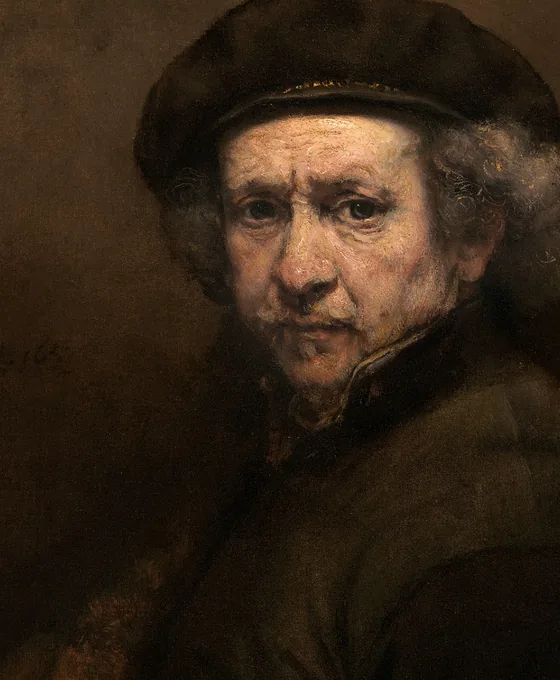
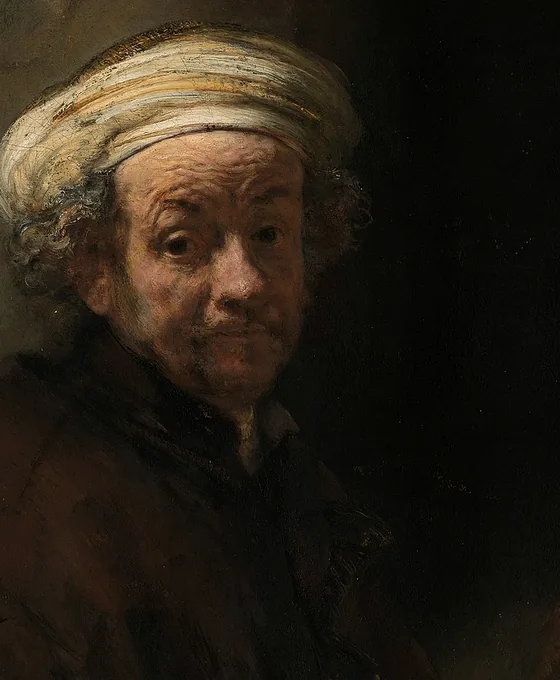
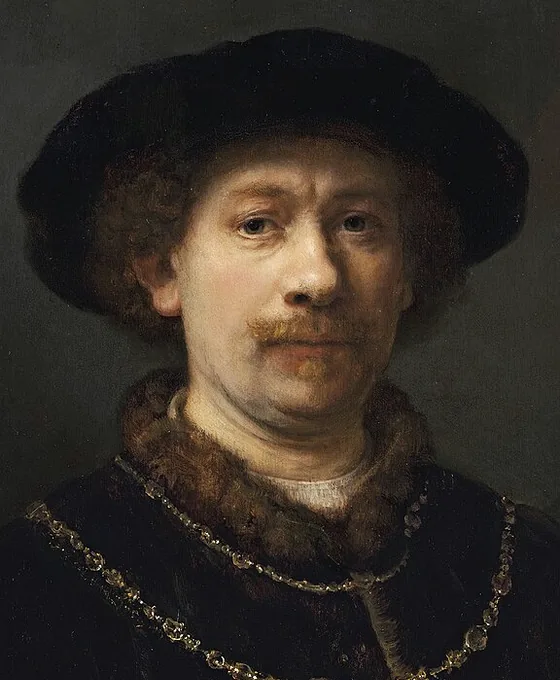
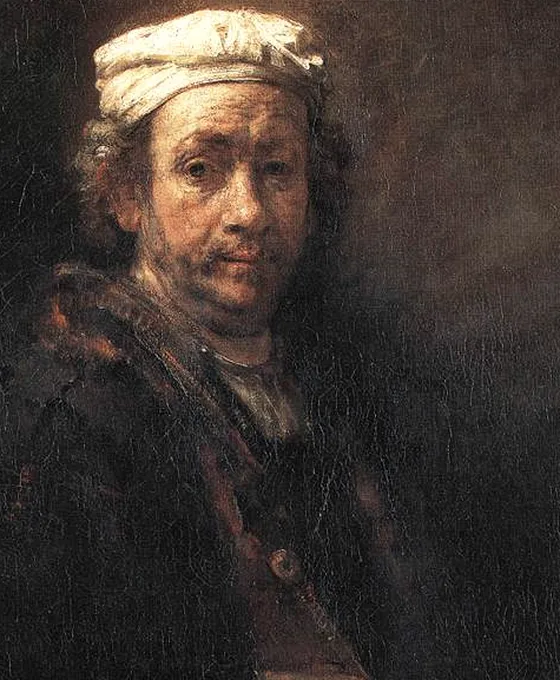
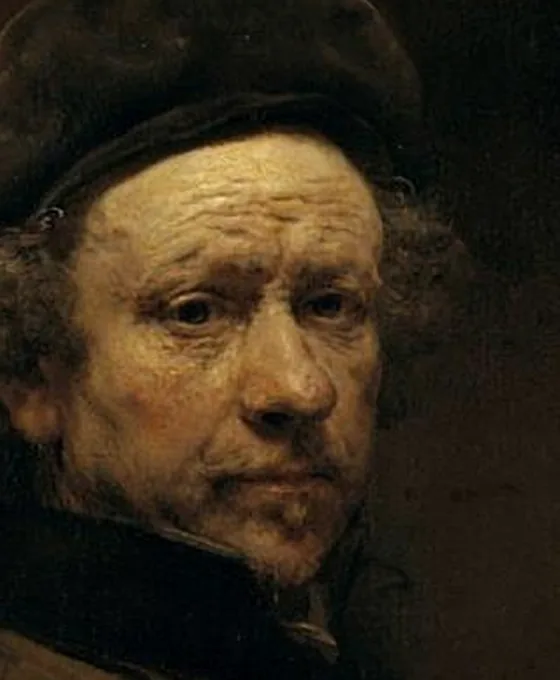
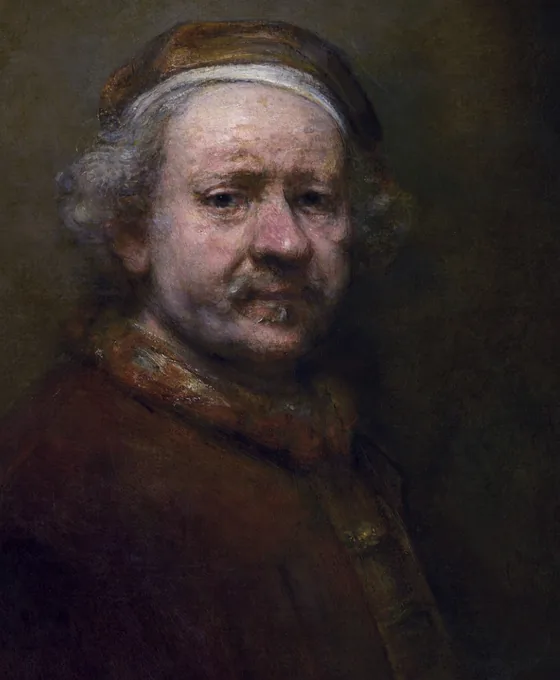
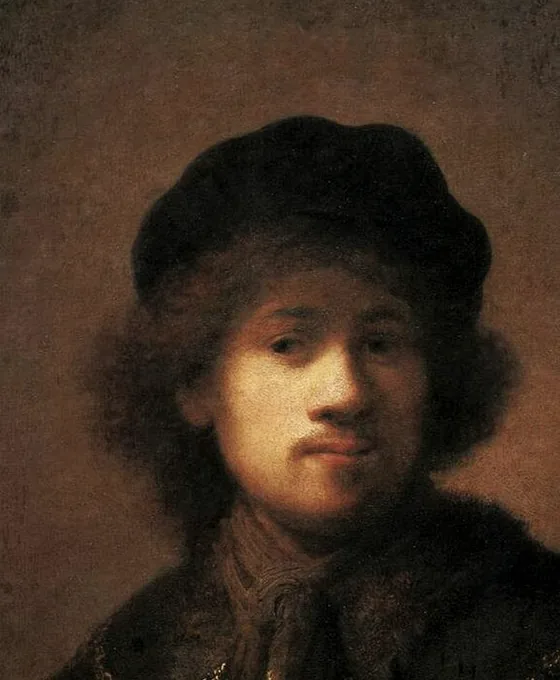
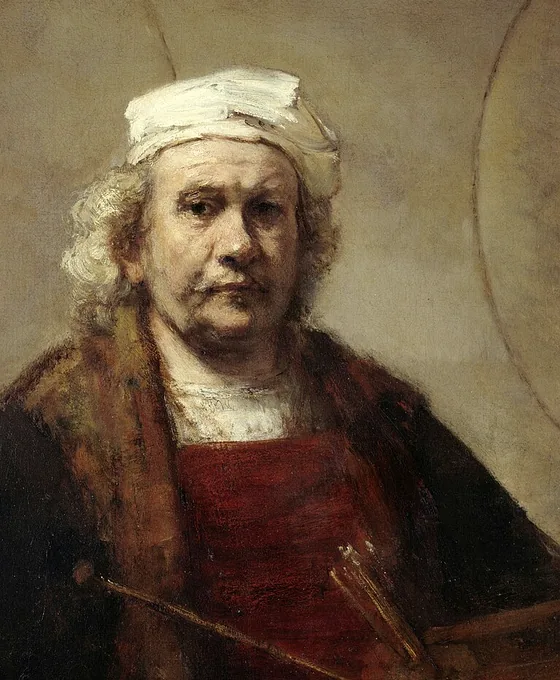
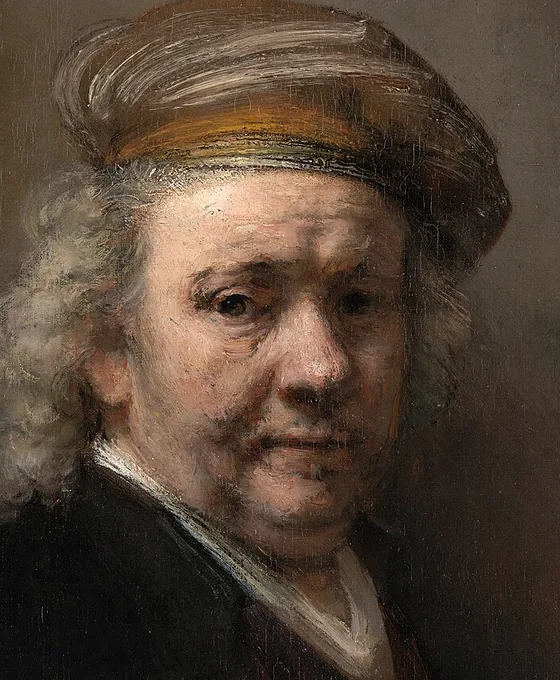
The others correct him.
Recurring structures gain weight. Incidents weaken. Expression, costume, varnish and pose become drift around the features that keep returning.
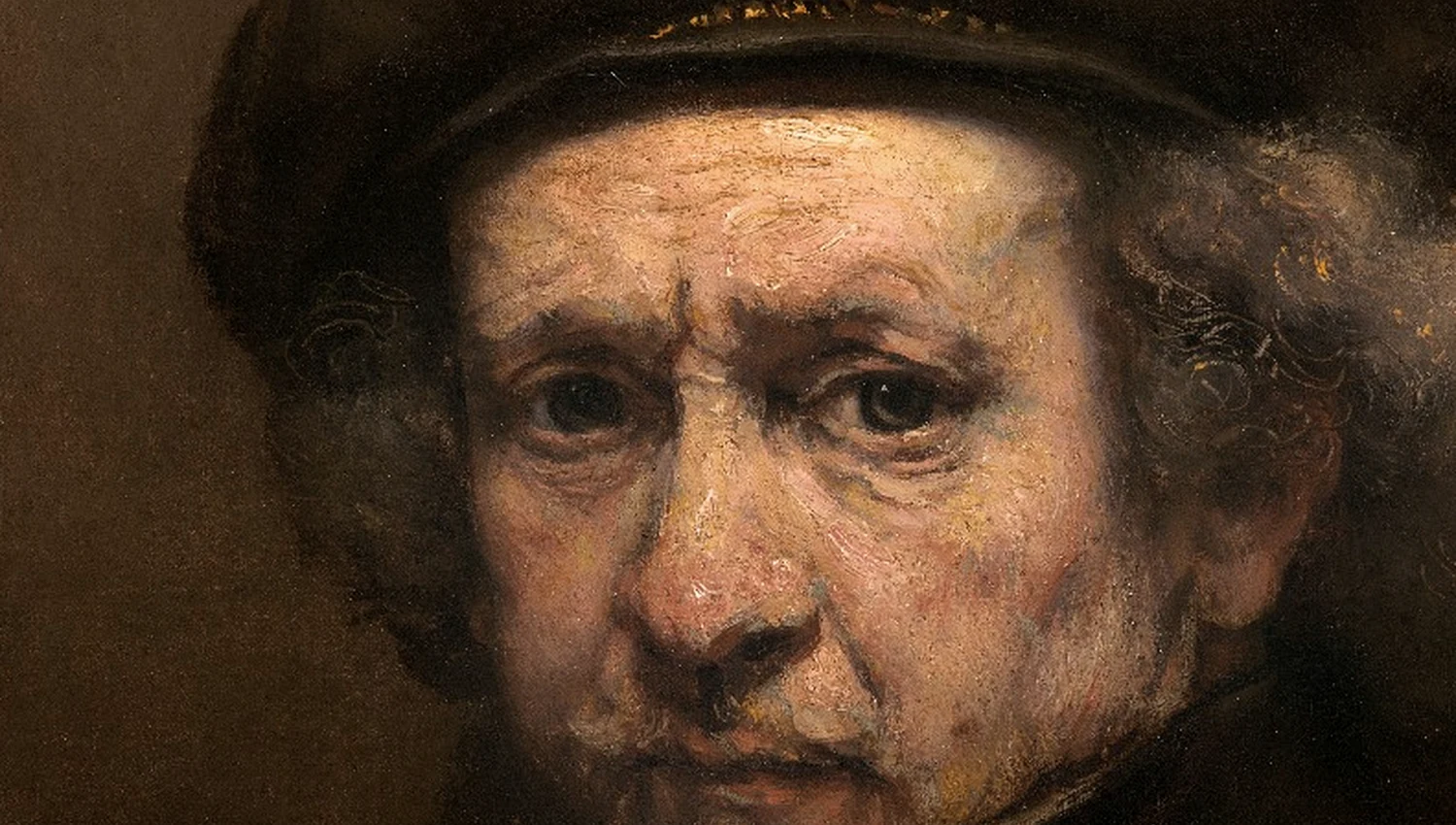
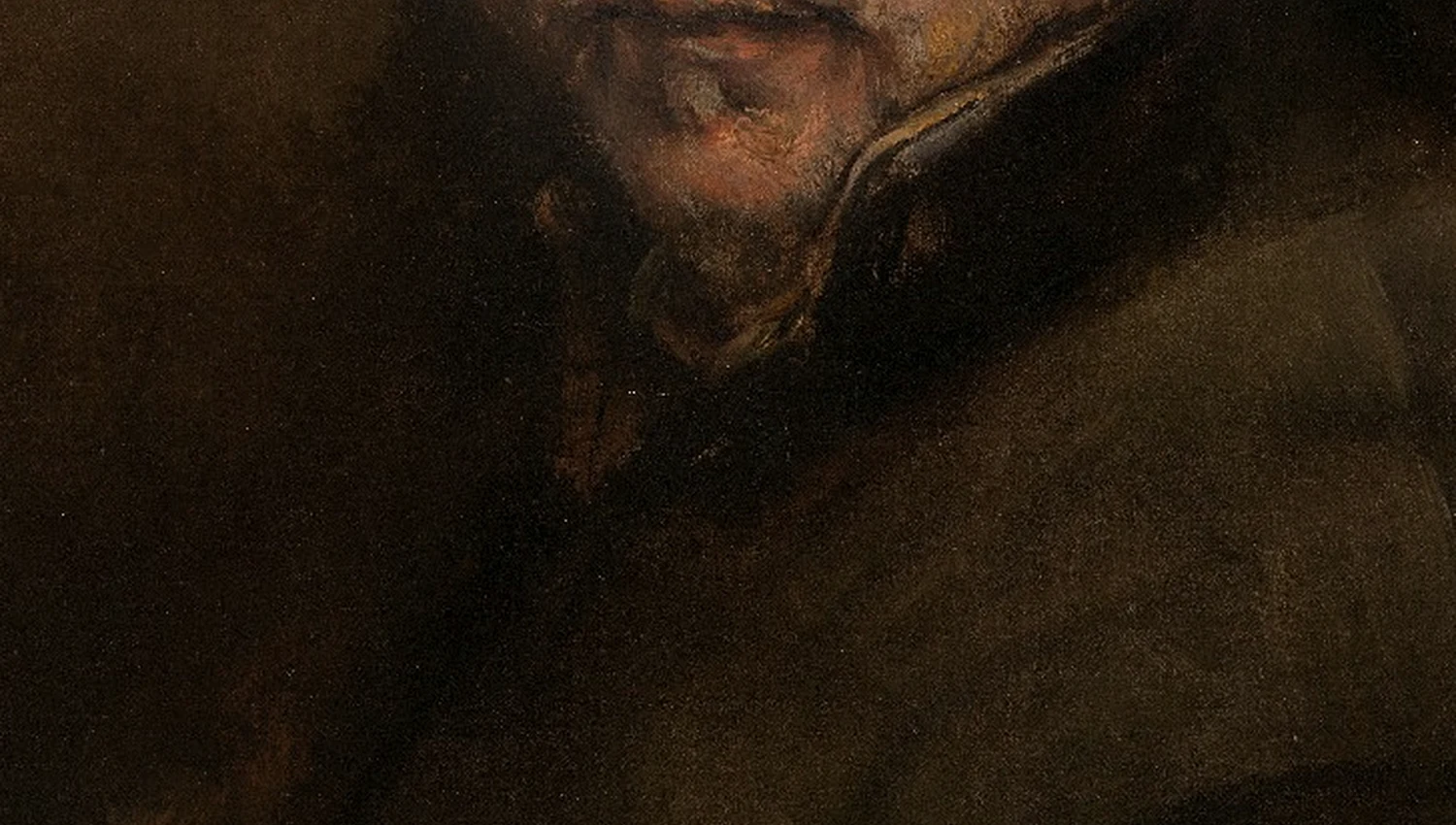
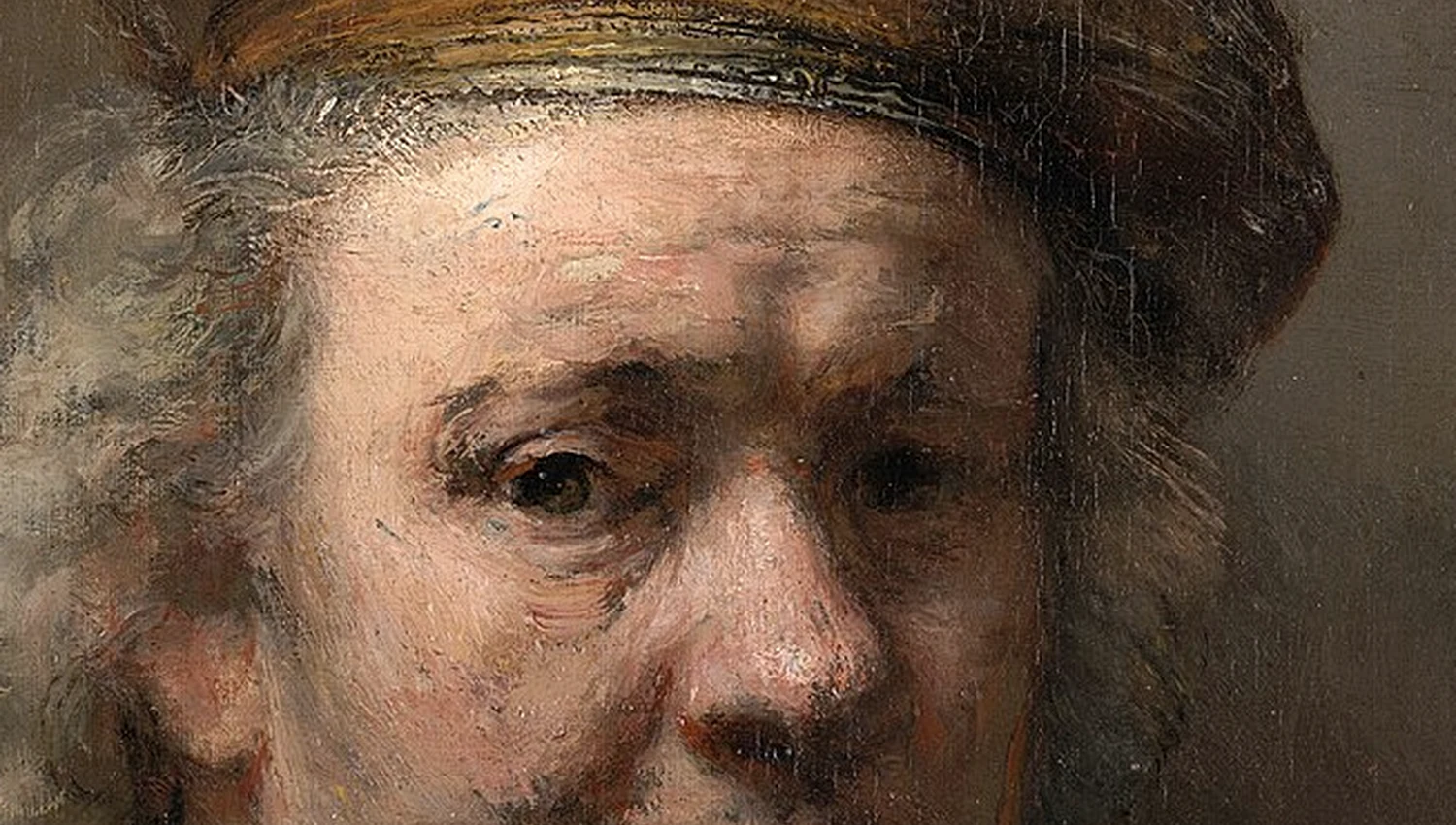
From painting to witness.
The protocol is documented as a sequence: source crop, landmark detection, accepted crop, neutralized face, geometry estimate, rendered reconstruction.
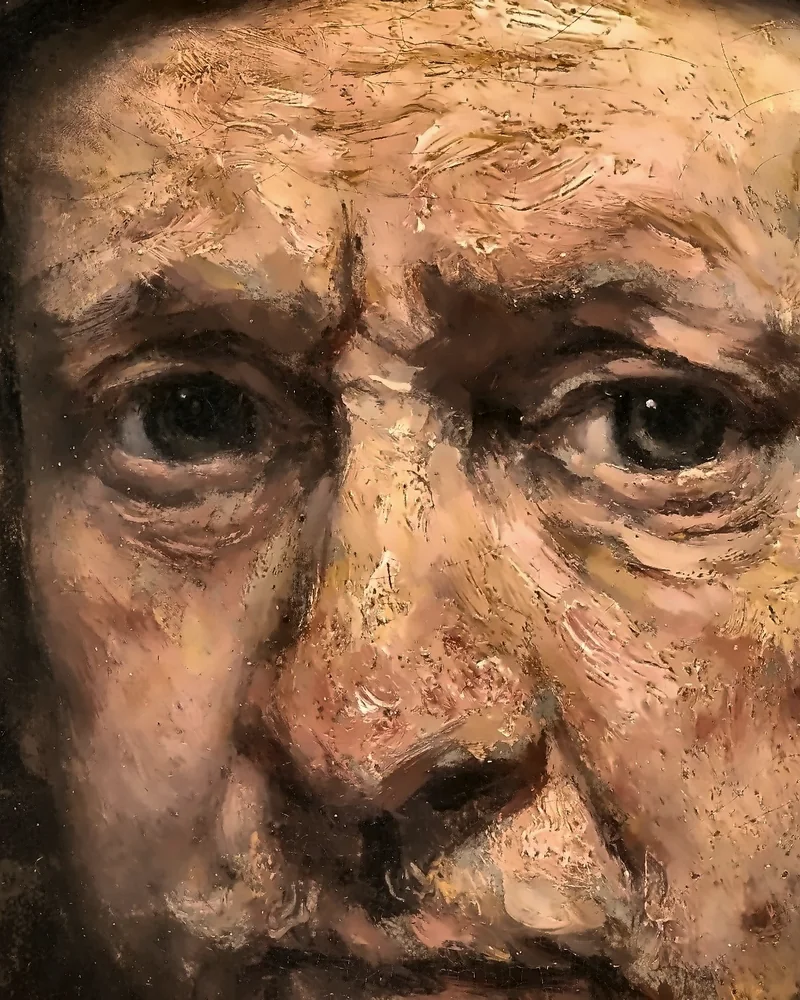
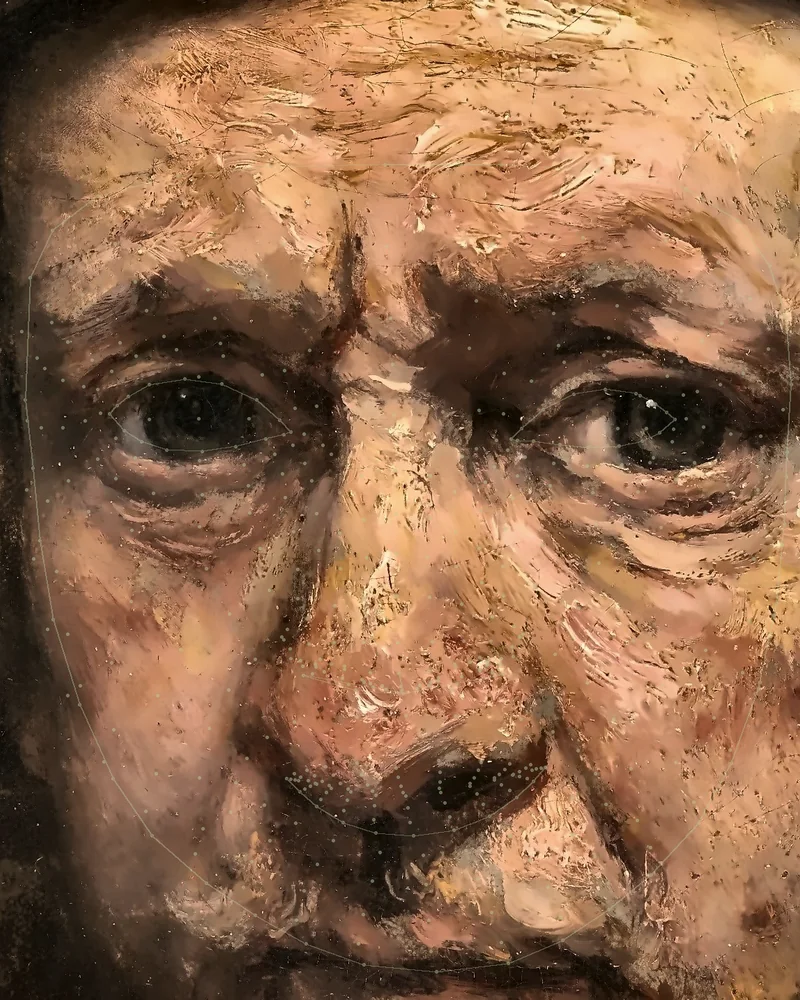
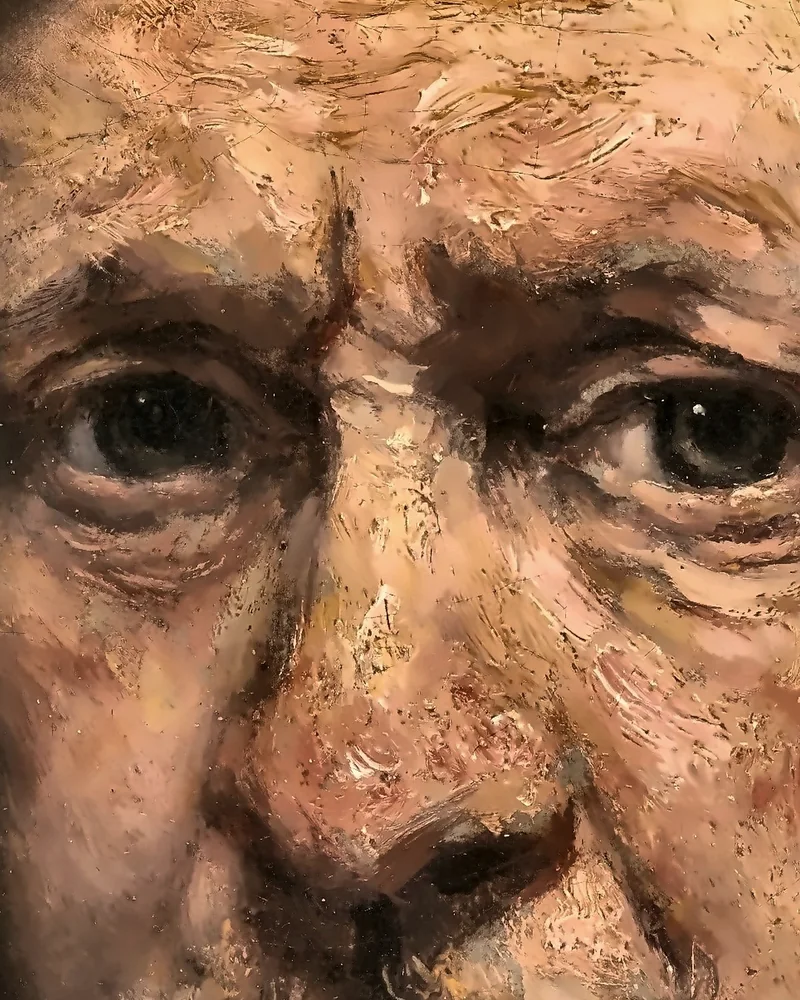
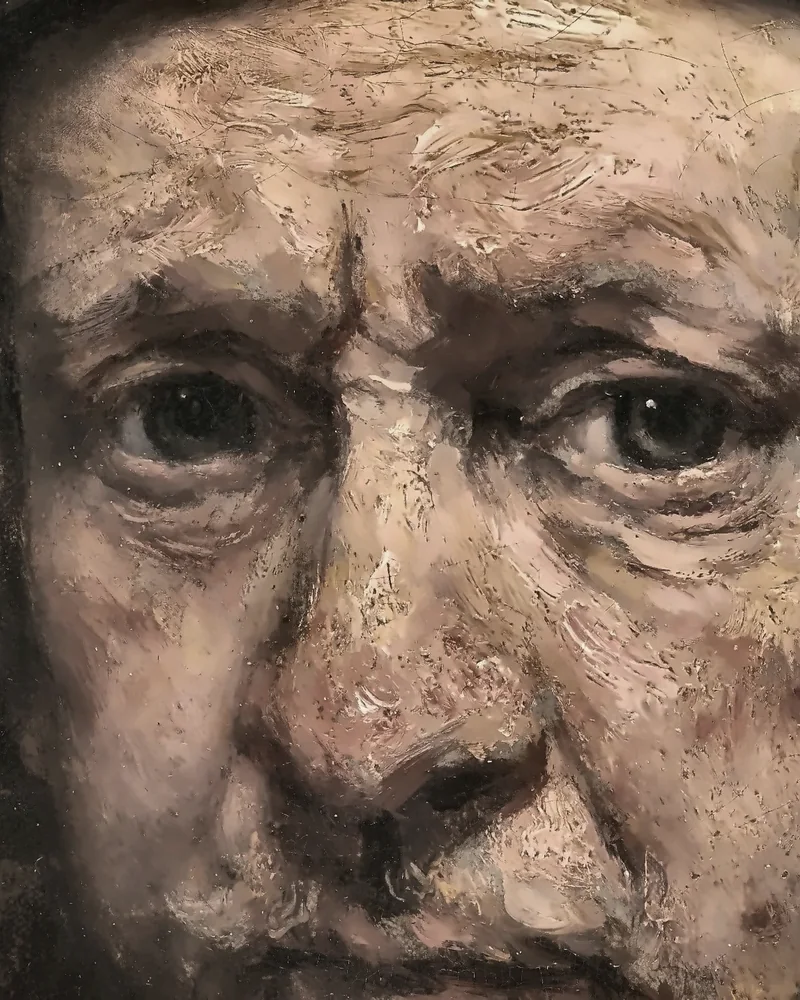
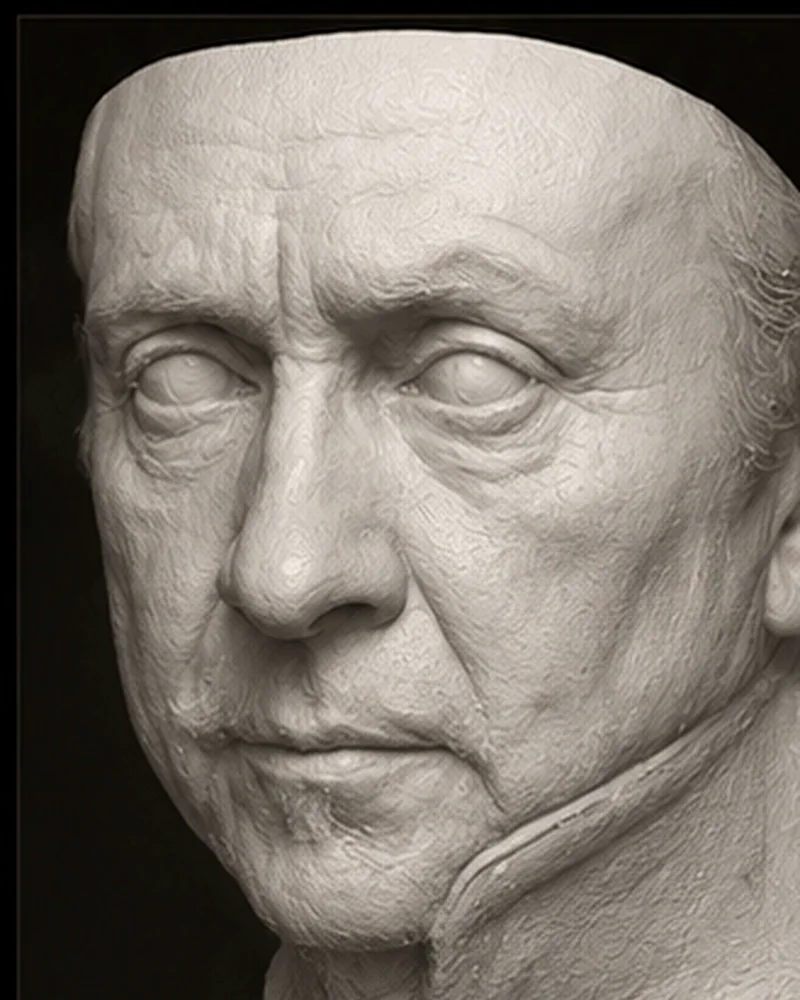
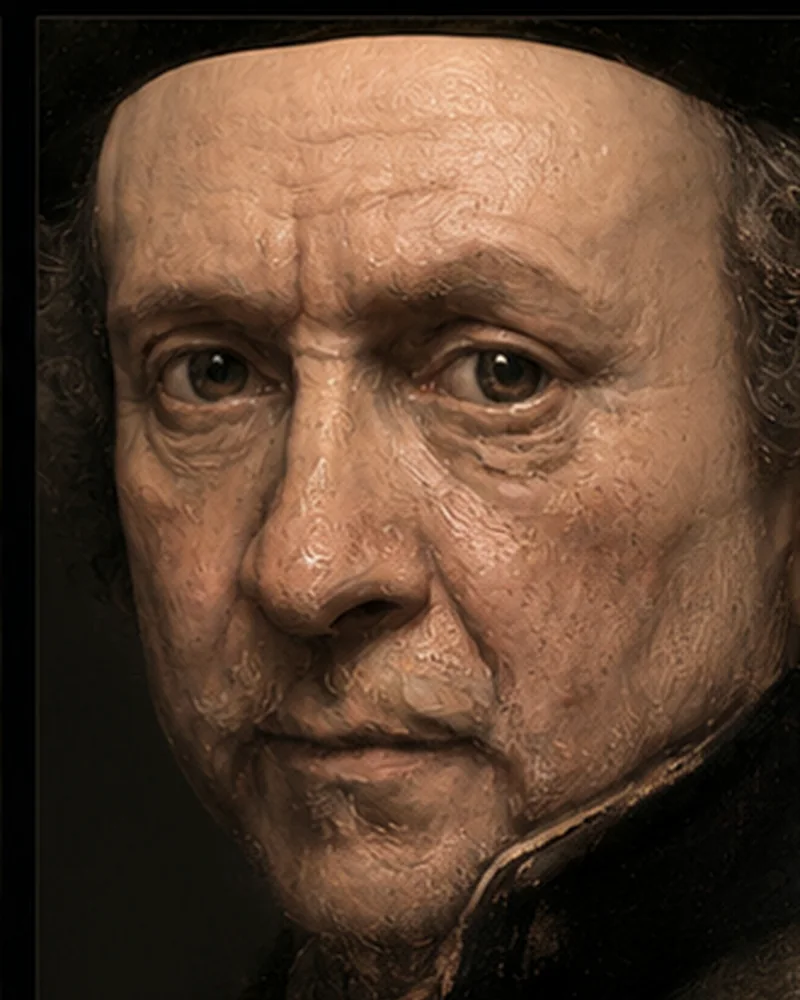
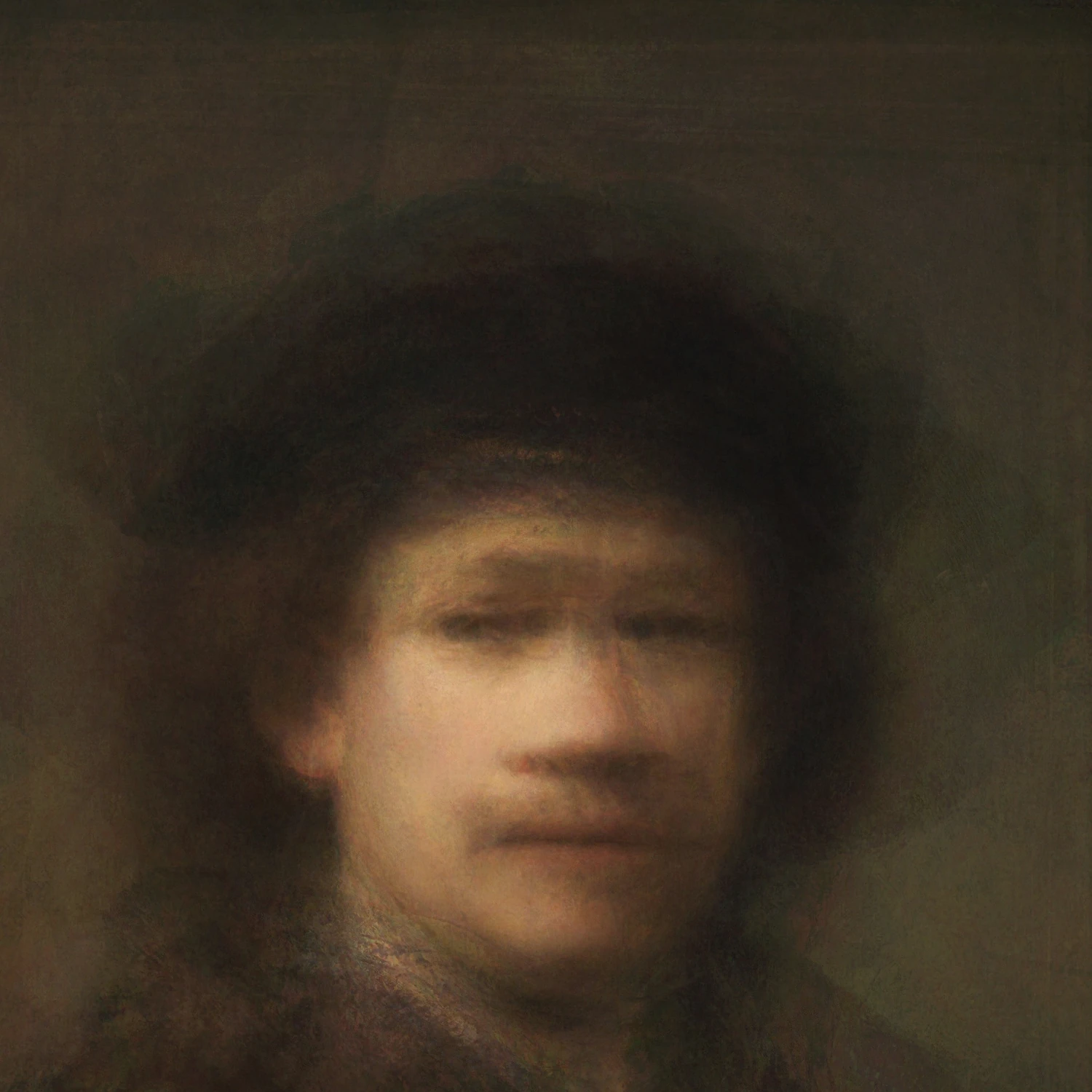
The face begins to appear.
The median is introduced only after the corpus, frame, alignment and correction logic are visible. This is the reveal: the face appears where the witnesses converge.
What changes stays visible.
Age, light, costume, expression and paint do not disappear. The project measures recurrence without pretending the archive is neutral.
Facial recognition becomes a cultural experience.
The project connects identity, trust and looking: Rembrandt is measured against Rembrandt. The self-portraits do not just show him. They recognize him.
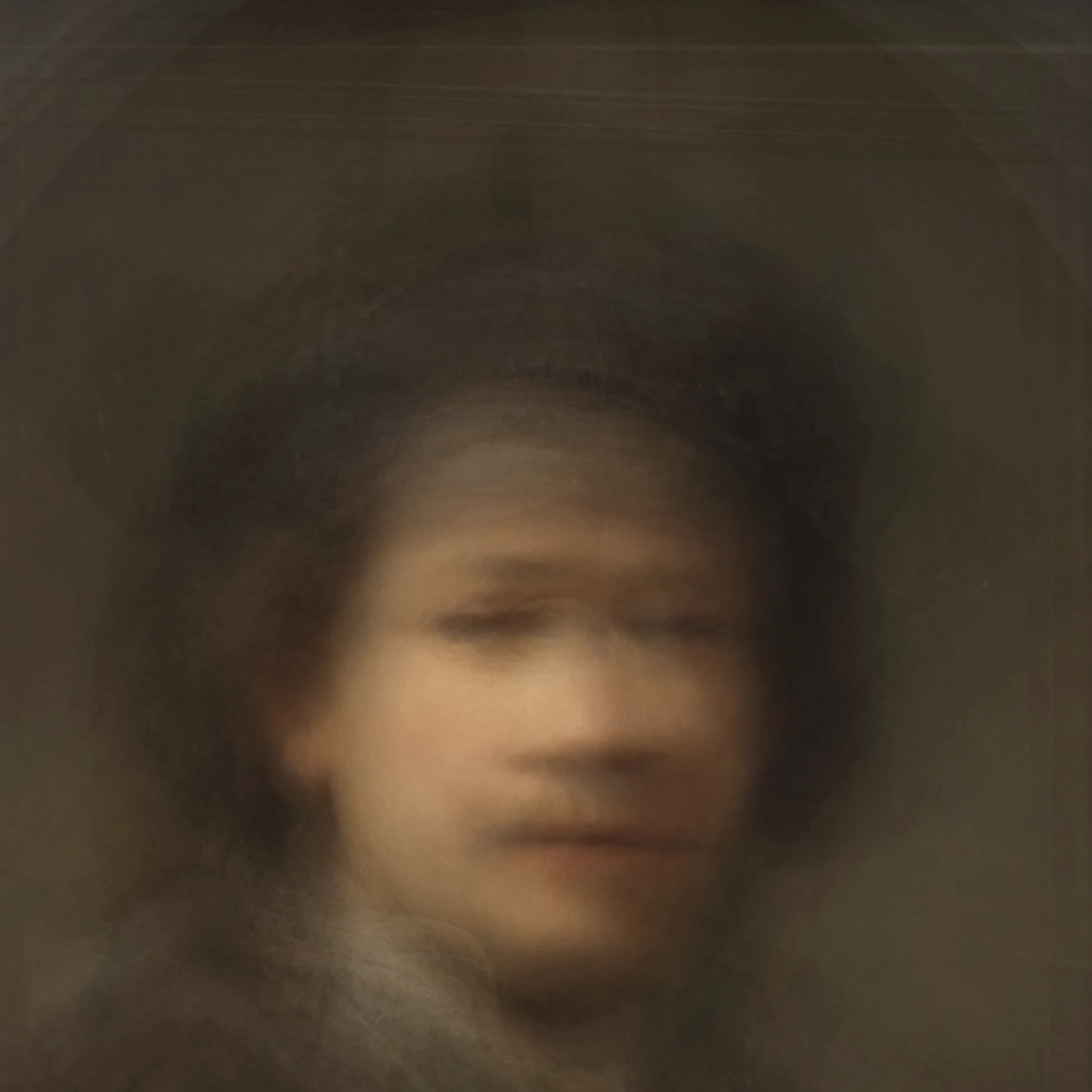
Source index.
Titles, years and source states remain visible. The project is kept traceable as a dossier, not presented as a single synthetic miracle.
| No. | Title | Year | Status |
|---|---|---|---|
| 01 | Self-Portrait | 1659 | source painting |
| 02 | Self-Portrait as the Apostle Paul | 1661 | source painting |
| 03 | Self-portrait with Two Chains | c. 1642–43 | source painting |
| 04 | Self Portrait at the Easel | 1660 | source painting |
| 05 | Self-Portrait aged 51 | c. 1657–59 | source painting |
| 06 | Late Self-Portrait | 1669 | source painting |
| 07 | Young Self-Portrait | c. 1630 | source painting |
| 08 | Self-Portrait with Two Circles | 1665–69 | source painting |
| 09 | Mauritshuis Self-Portrait | 1669 | source painting |